

How Marvel Built a $30 Billion Empire: The Business Behind the World's Biggest Superhero Franchise
Behind every superhero is a business strategy that transformed Hollywood forever.
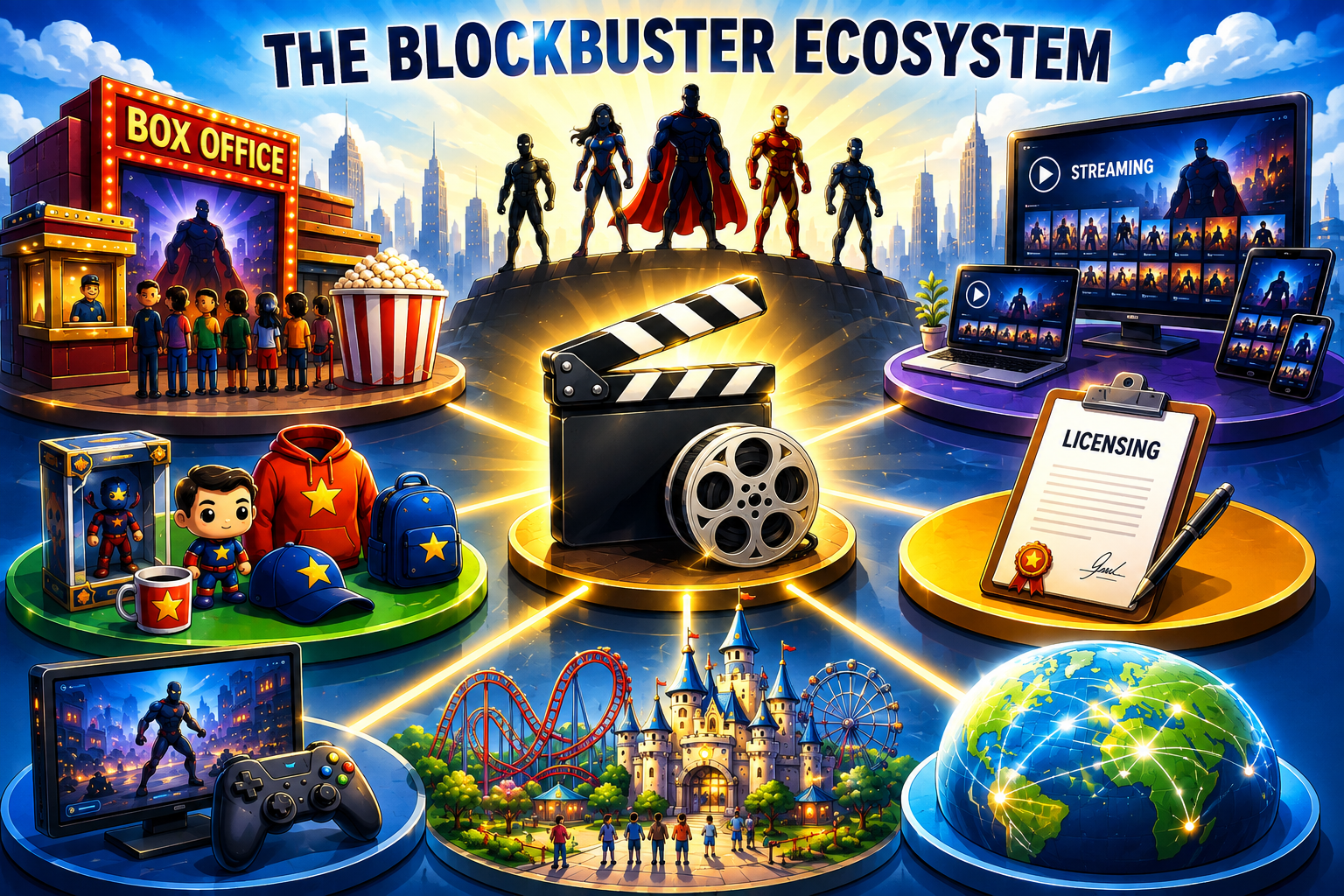
Most people think Marvel makes its money from movie tickets.
In reality, the box office is only the beginning.
The Marvel Cinematic Universe (MCU) has evolved into one of the most successful entertainment ecosystems ever created, generating value through theatrical releases, streaming, merchandise, licensing, theme parks, and global partnerships. Its true innovation wasn't just creating superheroes, it was building a connected universe where every story strengthened the entire brand.
This article explores how Marvel transformed storytelling into a business model that reshaped Hollywood and offers lessons far beyond the film industry.
Every superhero needs a business plan
In 2008, few people expected Iron Man to change Hollywood.
Marvel wasn't the entertainment giant we know today. In fact, years earlier, the company had sold the film rights to some of its most popular characters including Spider-Man and the X-Men to stay financially afloat.
Making Iron Man was a gamble.
Instead of producing another standalone superhero movie, Marvel attempted something audiences had rarely seen before: a connected universe where each film became a chapter in a much larger story.
At the time, it sounded risky.
Today, it looks like one of the smartest business decisions in entertainment history.
More than 15 years later, the Marvel Cinematic Universe has become the highest-grossing film franchise ever, with Marvel Studios surpassing $30 billion in worldwide box office revenue in 2024. Yet ticket sales tell only part of the story.
The real success of Marvel isn't measured only in dollars.
It's measured in how it changed the economics of modern storytelling.
It Started With a Connected Universe
Before the MCU, most movie franchises followed a simple formula.
Release a successful film.
Make a sequel.
Repeat.
Marvel changed the equation.
Instead of producing isolated stories, every movie became part of a larger narrative. Characters crossed over into each other's films. Events in one movie influenced another years later.
Watching one Marvel movie became enjoyable.
Watching all of them became rewarding.
This approach dramatically increased audience engagement.
Missing a film meant missing part of the larger story.
Instead of selling individual movies, Marvel was building long-term customer loyalty.
Suddenly, every new release wasn't competing with the previous one.
It was strengthening the entire universe.
Did You Know?
Marvel's interconnected storytelling encouraged audiences to return repeatedly, making earlier films more valuable as new chapters expanded the universe rather than replacing it.
The Box Office Is Only the First Revenue Stream
When a Marvel film earns over a billion dollars worldwide, it's easy to assume Disney keeps most of that money.
It doesn't.
Movie theaters retain a substantial share of ticket revenue, and marketing and production costs further reduce studio profits. The theatrical release is important, but it's only the first stage in a film's financial journey.
After leaving cinemas, a Marvel movie continues generating revenue through:
- Digital purchases
- Physical media
- Streaming
- Television licensing
- International distribution
- Airline and hotel entertainment
One successful film can continue earning revenue for years after its theatrical run.
Think of the box office as the opening chapter not the ending.
Did You Know?
Every Marvel movie moves through multiple distribution windows, allowing the same film to generate revenue from cinemas, streaming platforms, broadcasters, and home entertainment over an extended period
The Real Goldmine Isn't the Movie
Imagine walking into a toy store.
You'll probably find Marvel everywhere.
Action figures.
LEGO sets.
Backpacks.
T-shirts.
Video games.
Lunch boxes.
Halloween costumes.
These products often remain on shelves long after a movie leaves theaters.
This is where intellectual property becomes incredibly valuable.
A blockbuster film may entertain audiences for two hours.
A popular superhero can generate merchandise sales for decades.
Disney doesn't manufacture every Marvel product itself. Instead, it licenses the characters to companies around the world, earning royalties while partners handle production and distribution.
That's why a character like Spider-Man can continue creating value every single day even when there isn't a new movie in cinemas.
Did You Know?
Disney's annual reports consistently identify consumer products and licensing as major contributors across its portfolio of brands, illustrating how characters continue generating value well beyond their theatrical releases.
Streaming Changed the Rules Again
The launch of Disney+ transformed Marvel from a movie franchise into a year-round entertainment brand.
Instead of waiting years between films, fans could now follow new stories through series such as WandaVision, Loki, and Moon Knight.
This wasn't simply about producing more content.
It was about keeping audiences connected between theatrical releases.
Every new series strengthened the overall Marvel ecosystem.
Characters introduced on streaming platforms could later appear in films.
Movies encouraged viewers to subscribe to Disney+.
Streaming supported cinemas.
Cinemas supported streaming.
Together, they created a continuous cycle of engagement that extended far beyond the traditional movie-going experience.
Did You Know?
Marvel content became one of Disney+'s major subscriber attractions, helping transform blockbuster storytelling into an always-on entertainment ecosystem rather than a collection of occasional movie releases.
Marvel Became a Global Brand
Hollywood once depended heavily on North American audiences.
Marvel expanded that perspective.
Its films are designed for worldwide audiences, with global releases, international marketing campaigns, and stories that resonate across cultures.
Today, a successful Marvel movie isn't judged only by domestic performance.
International audiences often contribute the majority of worldwide ticket sales, making global appeal a central part of the franchise's business strategy.
Did You Know?
Marvel films regularly debut simultaneously across dozens of countries, allowing worldwide audiences to experience major releases together while reducing piracy and maximizing global excitement.
Why Marvel Spends Hundreds of Millions Before Earning a Single Dollar
Producing a Marvel movie isn't just about making a film, it's about investing in a global event.
A modern MCU blockbuster often requires hundreds of millions of dollars when production, visual effects, marketing, and worldwide distribution are combined. Long before audiences buy their first ticket, thousands of artists, engineers, designers, actors, editors, and visual effects teams have spent years bringing the story to life.
It might seem like an enormous financial risk.
But Disney doesn't view each Marvel movie as a standalone investment.
Every release strengthens an entire ecosystem.
A successful film doesn't just sell tickets, it boosts Disney+, increases merchandise demand, attracts visitors to theme parks, drives video game sales, and expands licensing opportunities. Revenue flows from multiple directions, making the business model far more resilient than relying on box office receipts alone.
In other words, Marvel isn't simply financing a movie.
It's investing in a brand that continues generating value long after the credits roll.
Did You Know?
Marketing campaigns for major Hollywood blockbusters can cost well over $100 million, helping transform a film release into a worldwide cultural event. Exact marketing budgets are rarely disclosed publicly but are widely reported by major entertainment industry publications.
From Movie Screens to Theme Parks
One of Disney's greatest strengths is that it owns much more than movie studios.
Marvel stories extend into real-world experiences.
At Disney parks around the world, visitors can meet superheroes, ride Marvel-themed attractions, dine in immersive environments, and purchase exclusive collectibles.
Unlike a movie ticket, which creates a one-time experience, a theme park visit can generate spending across admission, hotels, food, souvenirs, and repeat visits.
This is where Disney's integrated business model shines.
A child who watches a Marvel movie may later visit a Marvel attraction.
That visit could inspire the purchase of toys, apparel, comics, or another Disney+ subscription.
Each business supports the others.
Instead of operating independently, Disney's businesses create a continuous cycle of engagement that few entertainment companies can match.
Did You Know?
Marvel-themed attractions are featured at multiple Disney destinations worldwide, including Disney California Adventure, Hong Kong Disneyland, and Disneyland Paris, extending the franchise beyond the cinema into immersive experiences.
Why Every Marvel Movie Isn't a Billion-Dollar Success
The Marvel Cinematic Universe has produced some of the biggest box office hits in history.
But not every film reaches the same heights.
Recent years have shown that audiences have become more selective. Reviews, storytelling quality, franchise fatigue, release timing, competition, and broader economic conditions all influence a film's performance.
This isn't unique to Marvel.
Every long-running franchise faces the challenge of keeping its stories fresh while maintaining audience excitement.
Disney has acknowledged this by placing greater emphasis on quality over quantity in its future content strategy.
For businesses, this offers an important lesson:
Past success doesn't guarantee future success.
Even the strongest brands must continue earning their customers' attention.
Did You Know?
Despite fluctuations in individual releases, the Marvel Cinematic Universe remains the highest-grossing film franchise in history, reflecting the strength of its long-term brand rather than the performance of any single movie.
What Every Entrepreneur Can Learn from Marvel
You don't need to run a movie studio to learn from Marvel's success.
Its biggest lessons apply to almost every business.
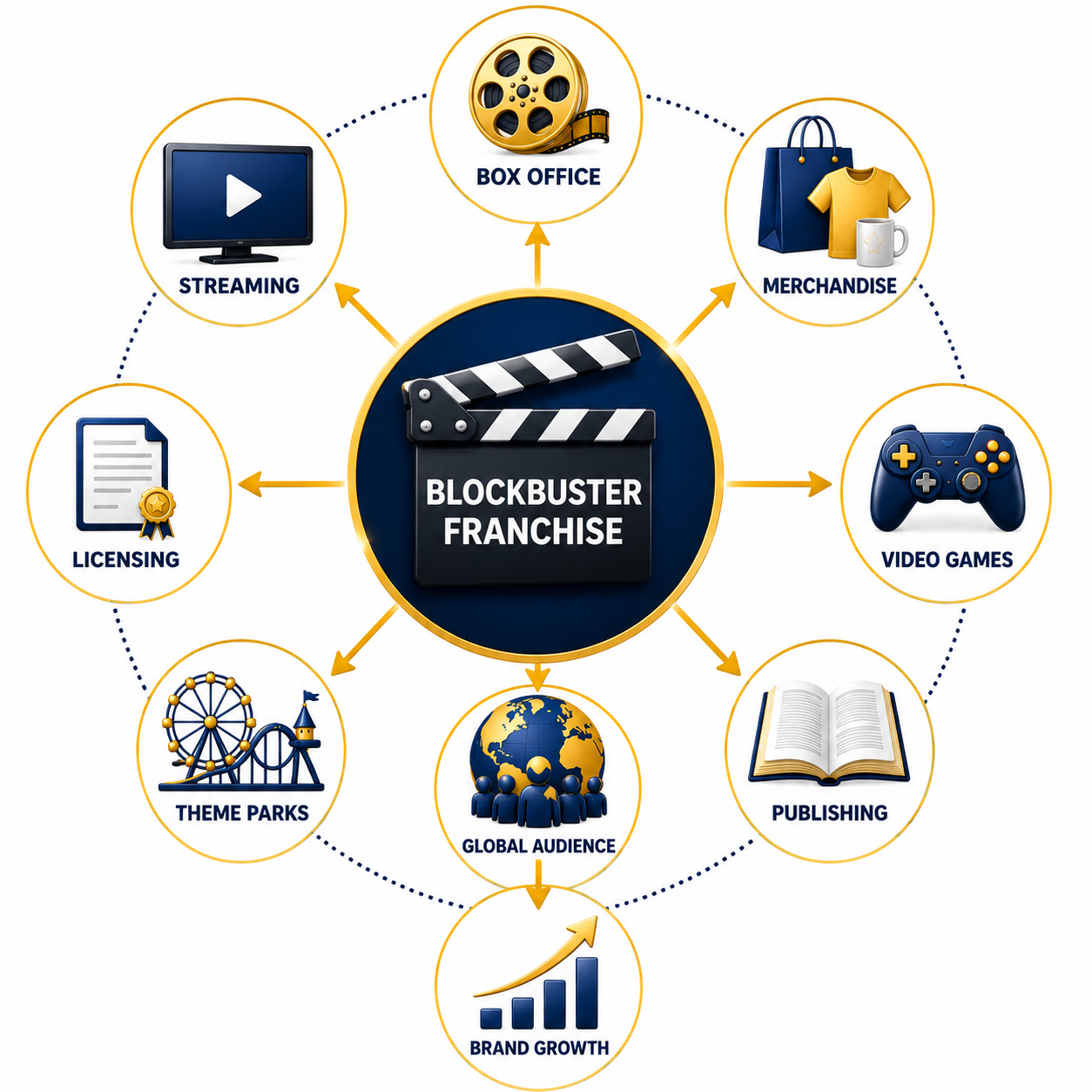
Build an Ecosystem, Not Just a Product
Marvel didn't stop at making movies.
It built merchandise, streaming content, games, attractions, publishing, and licensing around the same intellectual property.
The lesson?
Create products that reinforce one another instead of competing for attention.
 More Than Entertainment
When economists discuss blockbuster films, they're rarely talking only about cinema.
A major franchise creates employment for actors, writers, visual effects artists, animators, software engineers, marketers, manufacturers, retailers, logistics providers, tourism operators, and thousands of small businesses worldwide.
A successful movie can influence tourism, retail sales, technology adoption, advertising, and even consumer spending patterns.
Marvel's economic footprint extends far beyond Hollywood.
It's an example of how creativity, technology, and global business increasingly work together.
Enjoyed this?
Get notified when a new Knowlegic story worth knowing is published.


